NFL Line Movement UK: How to Read Shifting Odds Before You Bet
 Available in US

The betting line is not a static number. It’s a living price that reflects, in real time, the aggregate opinion of everyone who has bet on a game — recreational and professional alike. When a line moves, it’s communicating something. Not always something you can act on. But always something worth understanding before you place a bet at the current price rather than the price from two days ago when you formed your view.
What Causes NFL Odds to Move Before Kickoff?
Four things move NFL lines, and they move them in different ways. Understanding which type of movement you’re looking at changes how you interpret it.
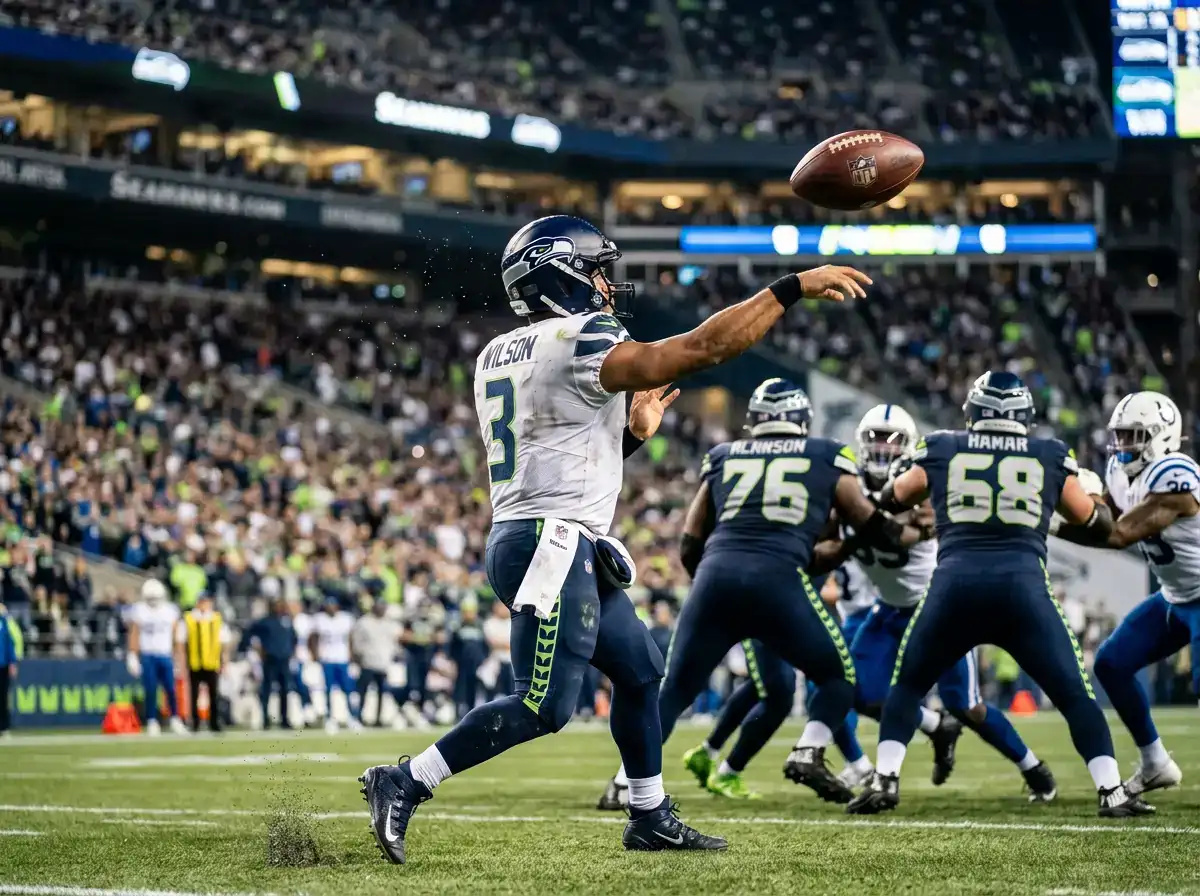
Injury news is the single most dramatic line-mover in NFL. A starting quarterback going from “expected to play” to “doubtful” in a Thursday injury report can shift a line by three to five points within hours. These moves happen fast — bookmakers adjust quickly when significant injury news breaks, but there’s often a brief window between the news becoming public and the line catching up. That window rewards punters who monitor injury reports closely and have pre-formed views on how a specific injury would affect a specific game.
Sharp money is the second major driver. Professional bettors — syndicates and individuals with long-term profitable records — place bets that bookmakers identify as coming from informed sources. When sharp money hits one side, bookmakers move the line to rebalance their exposure. A two-point move without any corresponding injury news almost always reflects sharp action. The critical question is whether you can identify the direction of the sharp money from the movement itself.
Public volume is the most common cause of small, gradual line movement throughout the week. As more recreational bettors load up on a popular team — typically a recognisable franchise like the Chiefs, Eagles, or 49ers — the bookmaker moves the line to manage their exposure. This movement is often reversed by later sharp action if the sharp side disagrees with the public consensus. Monitoring whether a line moves gradually over multiple days versus sharply over a short period gives you a rough read on which driver is dominant.
Historical data is unambiguous on what public money does to handicap results. Teams receiving more than 65% of public betting stakes fail to cover the spread in roughly 63% of cases across multi-season samples. That failure rate creates an exploitable pattern — the public money that drives gradual line movement toward popular favourites is simultaneously inflating lines past their analytical fair value and creating contrarian value on the opposing side.
Weather and late-breaking news — a trade, a signing, a coach’s press conference that reveals significant injury information that wasn’t previously public — also cause line movement, typically late in the week. These movements are specific in character and usually traceable to the news that caused them.
Reverse Line Movement: When the Line Goes Against the Public Money
Reverse line movement is the most analytically significant pattern in pre-game NFL betting. It occurs when the line moves in the opposite direction to the public betting percentage — the favourite’s price shortens despite more than half the public bets being placed on the underdog, or the favourite’s line lengthens despite heavy public support for the favourite.
The implication is that smart money is taking the other side of the public with enough force to outweigh the public volume in the bookmaker’s line-setting model. Professional bettors move lines; recreational bettors typically don’t, or at least not in proportion to their volume. When the line moves against a public majority, it’s a clear signal that the professional side of the market disagrees with the crowd.
Industry analysis on these situations consistently shows the “blood bath” effect — when heavy public favourites cover and pay out parlays, the cumulative damage to bookmakers is substantial. But the more common outcome is that reverse-line-movement underdogs, backed by sharp money against public consensus, cover at rates well above their implied probability. Following reverse line movement mechanically without context isn’t a complete strategy, but it’s one of the cleanest signals available from the market itself and it warrants systematic attention in your weekly analysis.
Tools UK Punters Use to Track NFL Line Movement
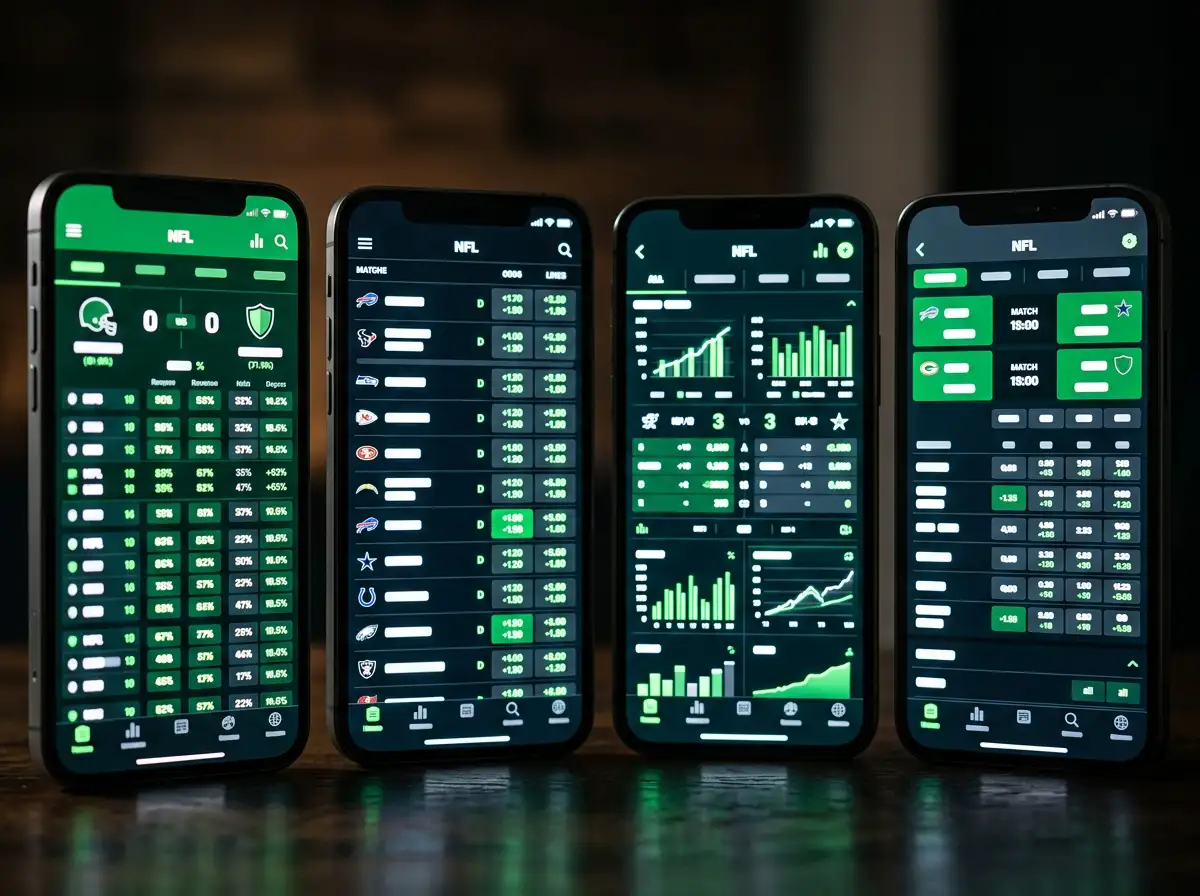
Odds aggregators that show historical line movement — not just current prices but how the price has changed since the line opened — are the most useful tracking tool. Some aggregators display the opening line alongside the current line, letting you calculate the total movement at a glance. Others show movement history with timestamps, allowing you to identify when a move occurred and correlate it with known news events.
Public betting percentage tools are the complement to movement tracking. Available through several third-party sports analytics platforms, these tools display the percentage of tickets (number of bets) and the percentage of money (total stakes) placed on each side. The combination of movement data plus betting percentage data lets you identify reverse line movement specifically: you’re looking for cases where the money percentage doesn’t explain the line movement direction.
For UK punters, accessing US-developed tools for these purposes is straightforward — they’re web-based and available internationally. The main challenge is time: line movement data is most actionable mid-week in US time, which translates to UK evenings. Setting up a brief Wednesday and Friday routine to check line movement on your target games — rather than monitoring continuously — is the most efficient approach without turning NFL research into a full-time job.
The complete framework for using line movement within a broader spread-betting strategy is covered in the guide to NFL spread betting in the UK.
One last operational note: don’t over-interpret small movements. A half-point shift from -3 to -3.5 might reflect nothing more than routine bookmaker margin management rather than any informational signal. Significant movements — a full point or more without corresponding injury news — are the ones worth investigating. The pattern recognition skill develops over multiple seasons of tracking, not from a single week of intense monitoring. Start by simply recording line movements alongside your betting results; the patterns become visible over time in a way they can’t from casual observation.
How much can an NFL line move before kickoff?
NFL lines can move anywhere from a half-point to four or five points over the course of a week, with most standard games seeing movement of one to two points. A starting quarterback injury can cause a three-to-five point shift within hours. The record for single-game line movement at major bookmakers is around seven or eight points, typically triggered by a combination of significant injury news and asymmetric sharp action. Movements above three points on standard handicap markets are unusual and always warrant investigation into the cause.
Do UK bookmakers update NFL lines as fast as US sportsbooks?
Major UK bookmakers with dedicated US sports teams update NFL lines within minutes of significant injury news or public reports of sharp action at US books. The practical difference is that US sportsbooks handle higher volumes of NFL action and may therefore move lines faster in response to smaller initial bets from known sharp sources. For recreational UK punters, the delay is rarely significant enough to create exploitable timing differences — the information environment is effectively shared within minutes of any meaningful development.
Published by the nfl top Bets team.