NFL Playoff Bets UK: How Postseason Betting Differs From the Regular Season
 Available in US
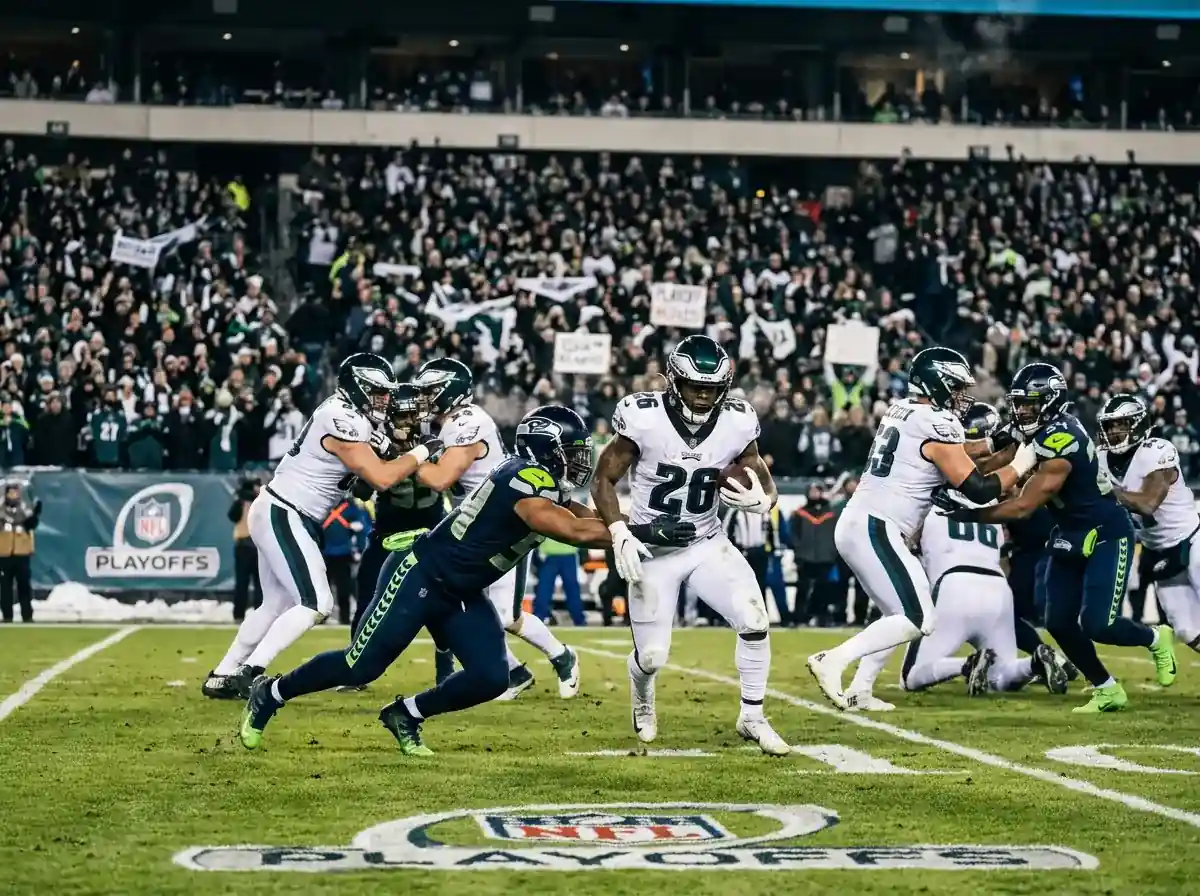
The first NFL playoff I bet seriously, I made the mistake of treating it like a high-stakes regular season week. Same methodology, same angles, same assumptions. It cost me. The postseason is a fundamentally different betting environment — smaller sample sizes, different motivational structures, genuinely unusual ATS patterns — and the sooner you account for that, the better.
How NFL Playoff Lines Differ From Regular Season Betting
Regular season lines benefit from seventeen weeks of in-season data, injury history, trend information, and betting public familiarity with each team. By Week 14, bookmakers have a detailed profile of every team’s tendencies, vulnerabilities, and personnel. The lines are sharp — arguably sharper than any other point spread market in sport.
Playoff lines operate from a smaller base. A team playing their first playoff game in four years comes with relatively sparse recent data compared to a team that’s made the postseason six times running. The bookmakers’ models are strong, but the reduced sample and the genuinely higher stakes of single-elimination football create more variance around the opening line. In the 2024 season, favourites won outright at a historically high 71.7% rate — but in playoff rounds, the gap between the best teams and the field compresses, and road underdogs historically perform better against the spread than their regular-season counterparts suggest.
The margin-setting also changes. Regular season lines often settle around a key number — most commonly three or seven — because those are the most frequent final margin values in NFL. Playoff lines, played in elimination environments where teams are more willing to play conservatively to avoid mistakes, tend toward lower-scoring games that more frequently land near single-digit final margins. The under has historically been a favourable bet across multiple seasons of playoff data, partly because defensive preparation time between rounds is longer than any regular-season week.
NFL Playoff ATS Trends Worth Knowing
The most durable playoff trend I’ve tracked over nine years is road underdogs covering at a meaningful rate in wildcard and divisional rounds. The logic isn’t complicated: teams that scraped into the playoffs as a lower seed often did so by overcoming adversity during the regular season. They’re not unfamiliar with playing without home crowd support. Meanwhile, the home favourite carries a weight of expectation that can manifest as early-game caution or conservative play-calling.
Public betting data consistently shows that more than 65% of stakes go on the home favourite in most playoff games — an even higher proportion than the regular season’s already-significant public favourite bias. When the public is backing a team at that rate and the line doesn’t move significantly toward the favourite, it signals that sharp money is on the underdog. Industry data shows that teams receiving more than 65% of public bets failed to cover the spread in roughly 63% of cases over a multi-season sample — a pattern that doesn’t disappear in January.
Divisional familiarity matters less in the playoffs than in the regular season. A divisional round matchup between two NFC South teams might seem like familiar territory, but both coaches will have had two weeks of game-planning since their last meeting. Schemes change, personnel adjustments get made, and the game-plan innovation gap matters more in playoff preparation time than in the three to four days of regular-season preparation. Blindly applying “divisional knowledge” as a playoff betting edge often backfires for this reason.
Best Betting Markets for NFL Playoff Games
The handicap remains the primary market in playoff football for the same reasons it dominates regular-season betting — it’s the most liquid, most sharply priced, and most analytically tractable. But the extended preparation time between playoff rounds creates specific opportunities in two secondary markets worth targeting.
First-half handicaps are worth examining closely in playoff games. Playoff coaches are famously conservative in early-game play-calling — running the ball more, avoiding turnovers, establishing rhythm before opening the playbook. This conservative early-game approach means first halves are frequently lower-scoring and closer than the full-game line implies. The first-half favourite often covers the full-game spread with room to spare, but the first-half spread can be tighter than justified by the full-game line.
Player props in the playoffs benefit from the increased preparation time in a different way. Coordinators have genuinely more time to identify a receiver’s tendencies, a running back’s preferred cutback lanes, or a quarterback’s throw-away tendencies under pressure. This means some props lines — set using regular-season usage rates — may not fully reflect the defensive game-plan deployed specifically to limit that player. Monitoring which players feature prominently in coach press conference discussions can provide an early signal about matchup-specific planning.
If you want to develop a sharper edge on the ATS analysis that underpins playoff betting, the foundational principles are covered in how to find genuine NFL value bets.
One element of playoff betting that I’ve found consistently undervalued in UK markets is the impact of extended preparation time on defensive efficiency. In the regular season, a defensive coordinator has three to four days to prepare a scheme for the opposing offence. In a first-round bye situation, that preparation window extends to two weeks. A top seed with a quality defensive coordinator and the full bye-week benefit has a measurable efficiency advantage over an opponent playing their second consecutive road game. This factor shows up in playoff totals data — games involving the top seed from each conference average fewer total points than the line implies, particularly when the opposing offence has a new or young starting quarterback encountering the scheme for the first time under playoff pressure.
Divisional round games — played in the second week of the playoffs after wildcard weekend — are historically the round where the most significant upsets occur. Teams who benefited from the bye week to analyse wildcard weekend film have an extra information advantage over teams who just played a full game seventy-two hours earlier. Tracking which teams have the freshest legs entering the divisional round is one of the most practical playoff edges available to a prepared UK bettor.
Cash-out management in playoff betting also deserves specific thought. A futures position or a specific game handicap bet placed at playoff odds carries high variance over what can be multiple weeks. Deciding in advance at what point you’d take a partial cash-out — say, if a team advances to the conference final at odds shorter than your original entry — prevents emotional decision-making in the moment when the cash-out interface is presenting you with a guaranteed profit that feels very real compared to the uncertain future outcome.
Do NFL playoff games have different ATS trends than the regular season?
Yes, meaningfully so. Playoff games tend to produce lower-scoring, tighter games with more conservative play-calling on both sides. Road underdogs have historically covered more often in wildcard and divisional rounds than their regular-season equivalents, partly because of public money heavily favouring the home team. The under also has a reasonable historical edge in playoff games compared to regular-season totals, reflecting the increased defensive preparation time between rounds.
Can I bet on NFL playoff brackets at UK bookmakers?
Bracket betting — predicting which teams advance through each round — is not a standard UK bookmaker product in the way it is in the US market. What UK bookmakers do offer are round-by-round conference winner and Super Bowl winner markets, which update after each round. These function as rolling outright bets and are the closest equivalent. Some operators also offer specific matchup prices as soon as the bracket is set, typically 48-72 hours after wildcard weekend results.
Written by the editors at nfl top Bets.