NFL Futures Bets UK: Division Winners, Conference Champions and When to Lock In Outright Odds
 Available in US
I placed my first serious NFL futures bet in July. Not because July is inherently the right month to bet futures — it’s not always — but because a team I’d tracked through the previous season was priced at 14.00 to win the conference and I genuinely believed their true probability was closer to 10.00. That gap was wide enough to justify a stake. By Week 6, the market had adjusted to 7.00 after they started 4-1. The timing, not the pick itself, determined my return.
Types of NFL Futures Markets Available at UK Bookmakers
NFL futures is an umbrella term covering several distinct market types, each operating over different time horizons and with different analytical requirements.
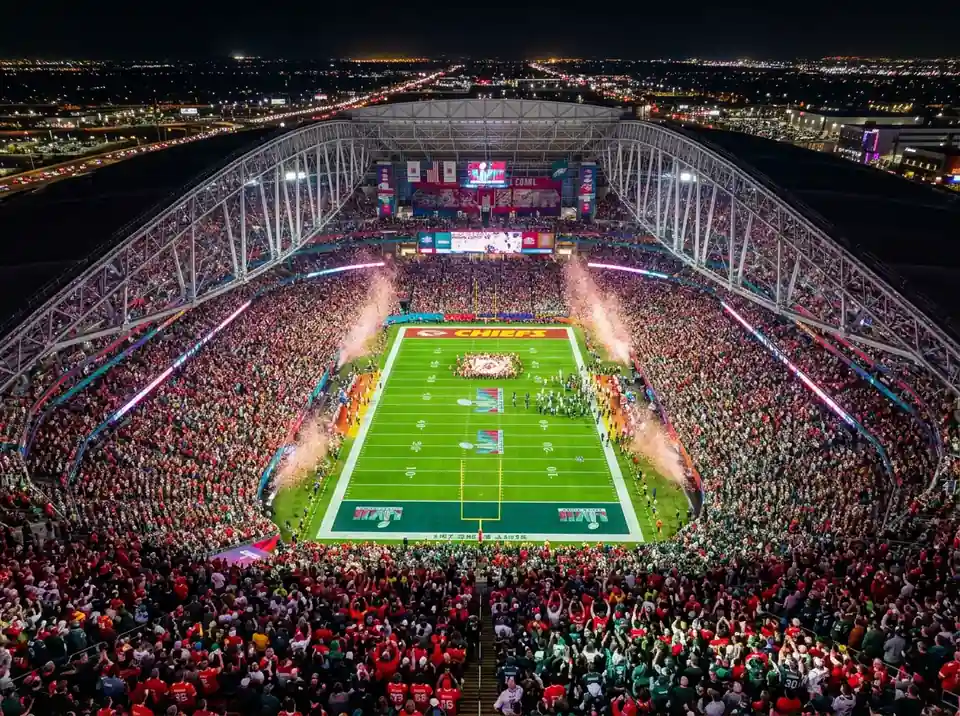
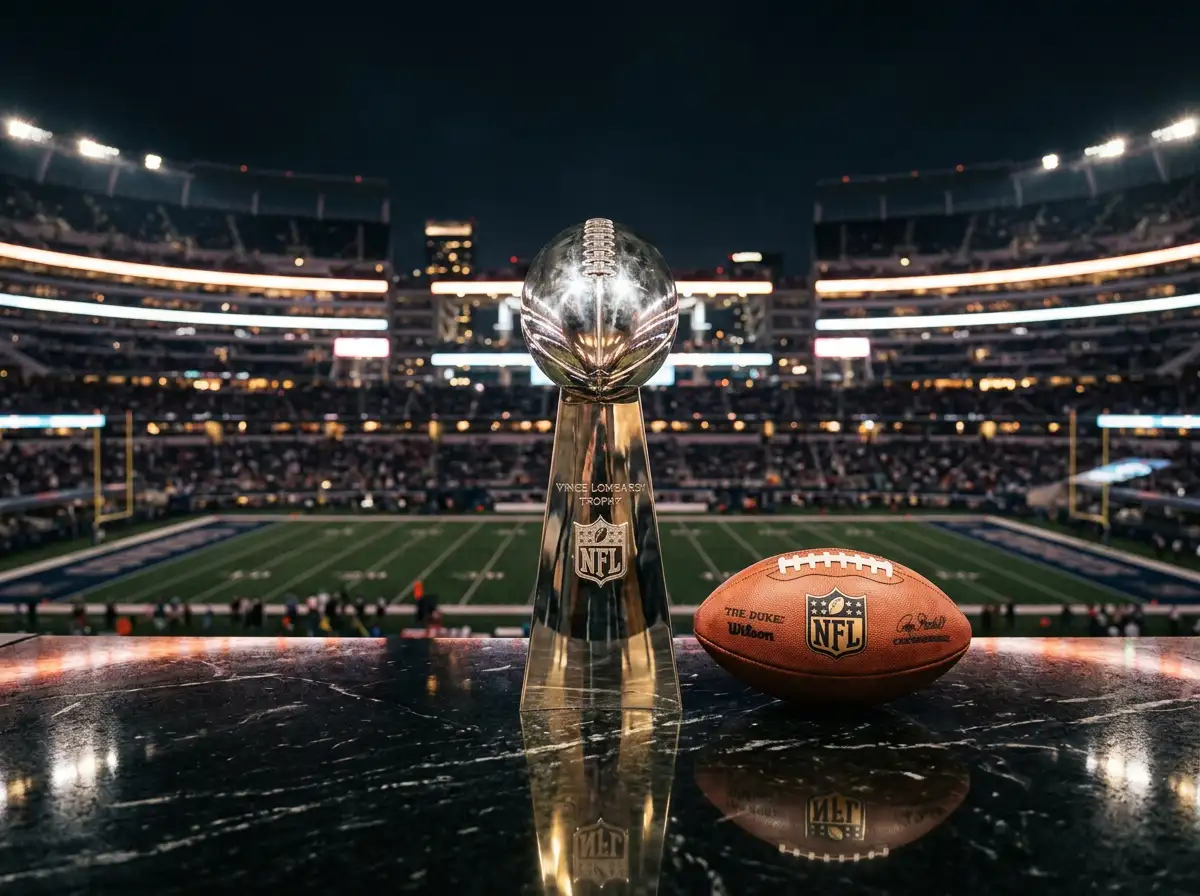
Super Bowl winner is the flagship — back a team to lift the Lombardi Trophy before the season starts, or at any point during it. Prices range from 1.20 or 1.30 for the market leaders to 150.00 or beyond for genuinely long shots. The market is open year-round and updates continuously based on team performance and public betting volume.
Conference winner markets — AFC Champion and NFC Champion — operate the same way but with roughly double the implied probability of the Super Bowl market. A team priced at 6.00 to win the Super Bowl might be 3.00 or 3.20 to win their conference, reflecting that they face only half the field in the conference market. These are more accessible entry points with lower variance for long-season positions.
Division winner markets are the most granular futures option. Each of the eight NFL divisions offers a dedicated market at the start of the season. A team identified as having a clear talent advantage in a weak four-team division can provide strong expected value at prices that look modest — 1.50 to 1.80 — when the true probability is materially higher. Kansas City Chiefs futures are consistently among the most wagered at UK bookmakers, with search data showing the Chiefs represent roughly 9.5% of all NFL team-specific UK searches — the highest of any franchise.
MVP and Offensive/Defensive Rookie of the Year markets offer individual-player futures. These markets carry higher variance and larger bookmaker margins than team markets, but they can be productive when a young quarterback or standout defensive player enters a season in a role that the public hasn’t fully valued yet.
When to Place NFL Futures Bets for the Best Value
Timing a futures bet is genuinely as important as picking the right team. The market moves through predictable phases over the course of a season, and identifying the phase with the widest gap between your assessed probability and the market price is the practical skill.
Preseason — July and August — typically offers the widest spreads on non-favourites. Market uncertainty is at maximum, public attention is limited, and lines are set conservatively. A team you’ve identified as undervalued based on off-season roster construction, coaching changes, or schedule analysis can be genuinely attractive at this stage even if the price narrows later.
Weeks 4 through 6 is the most interesting window within the season. Teams have played enough games to demonstrate genuine quality or genuine problems, but the market hasn’t always caught up. An undefeated team that was priced at 12.00 in August might be at 6.00 after four wins — still interesting if you believe the market is behind their trajectory. A team that was priced at 8.00 and started 1-3 due to fixable issues (injury at one position, solvable play-calling problems) might have drifted to 20.00 — potentially generous if the underlying quality remains.
Bye week timing is worth tracking. Teams playing the week before their bye often have slightly deflated prices as the public factors in the rest advantage for the following week’s opponents. This is an overweighted factor — one week of rest is meaningful but rarely game-changing — and the resulting price movement can create entry opportunities.
Most Popular NFL Teams to Back in UK Futures Markets
UK futures betting concentrates around a relatively small number of franchises. Search data confirms that the Kansas City Chiefs, Philadelphia Eagles, and San Francisco 49ers together account for a disproportionate share of UK NFL interest — the Chiefs at roughly 9.5% of all team-specific searches, Eagles and 49ers at around 6.3% each. This concentration has a direct effect on prices: popular teams attract public money that pushes their odds shorter than analytical probability justifies.
This is one of the cleaner arguments for backing unfashionable franchises in futures markets. A team like the Baltimore Ravens or Cincinnati Bengals, with genuinely strong rosters but lower UK public profiles, may sit at 12.00 or 14.00 when a more neutral assessment of their Super Bowl probability suggests 8.00 or 9.00. The mechanism is straightforward — less public money on them means the bookmaker doesn’t need to shorten the price to manage exposure. That inefficiency is a consistent feature of futures markets driven by name recognition rather than pure probability assessment.
For the platforms that offer the deepest futures markets with the most competitive odds across divisions and conferences, the guide to the best NFL betting sites in the UK covers the specific features to compare.
One aspect of futures betting that UK punters often miss is the impact of schedule strength on early-season price adjustments. A team that goes 4-0 in their first four weeks facing genuinely weak opposition gets the same market attention and price compression as a team that goes 4-0 against strong opponents. The market adjusts their prices similarly in the short term but the underlying quality gap is meaningful. Tracking strength of schedule alongside record is a basic but underused filter for identifying teams whose prices have been compressed by a misleadingly flattering early schedule — and conversely, teams whose prices have drifted unnecessarily because of a difficult opening run.
Injury to a starting quarterback is the single most common cause of futures value emerging mid-season. When a team’s expected starter goes down in Week 3 or 4, the futures market overreacts and the price drifts to ranges that may not reflect the backup’s actual capability. Occasionally, the backup is merely adequate — and the team’s underlying roster quality means they continue to win at a meaningful clip. These situations represent the clearest mid-season value in the outright market, but they require quick decision-making as prices adjust within 48-72 hours of the injury news.
When do NFL futures odds improve during the season?
The most significant odds improvements on undervalued teams typically occur in the preseason (July-August) before significant public money enters the market, and again in the Weeks 4-8 window when early-season results start driving price corrections. Teams that were underestimated before the season tend to have their prices compressed by Weeks 8-10, at which point futures value diminishes for anyone not already positioned.
Can I cash out an NFL futures bet early at UK bookmakers?
Cash out is available on futures bets at most major UK bookmakers, but the terms vary. Some operators allow full or partial cash out on Super Bowl outrights as early as Week 1. The cash out value calculation accounts for the team’s current probability of winning versus the price at which you placed the original bet. Cashing out a futures position is often worth considering when a team has improved dramatically and the remaining probability-to-price ratio no longer justifies holding the full stake.
Published by the nfl top Bets team.